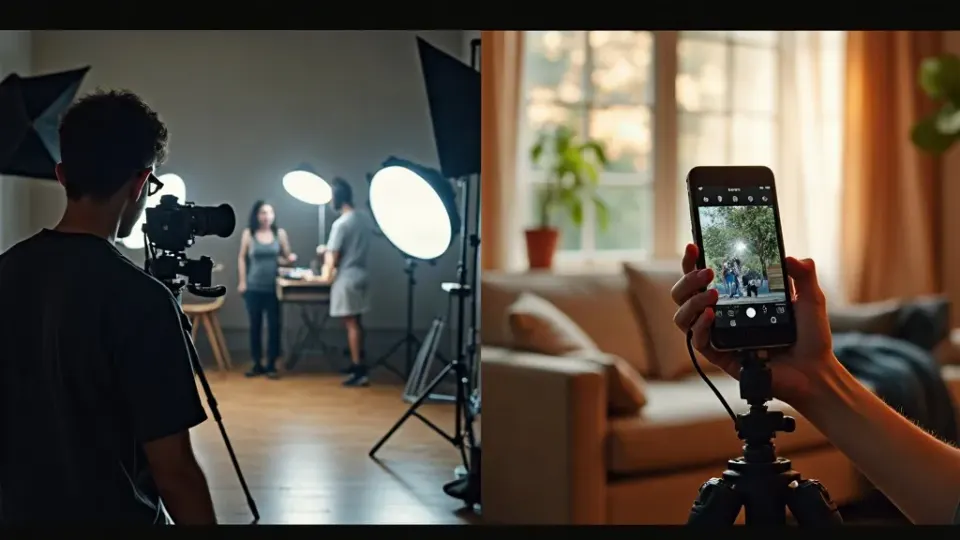
At FICCI Frames 2026, Meta's India Country Director Arun Srinivas outlined how Instagram's recommendation-driven algorithm, AI tools, and the rise of micro-drama formats are reshaping opportunities for creators and small businesses — with implications for marketers everywhere.
A growing number of direct-to-consumer brands are pulling back from user-generated content as a default creative strategy, citing faster ad saturation and eroding brand equity, according to D2C Times. Creative analytics data and public brand behavior signal a shift toward higher-production formats and more deliberate brand identity investment.
DTC brands are wrestling with a defining creative budget question this fall: invest in polished brand films or spread dollars across high-volume user-generated content? Data from Meta, Kantar, Northbeam, and platform operators points toward a category-specific answer — and suggests the brands winning are treating both formats as complementary, not competing.
Google's 2025–2026 updates to Performance Max campaigns—including channel-level reporting, better brand exclusions, and improved coexistence with standard Shopping—have not quieted the debate over whether PMax is a smart AI-native format or an opaque budget drain. Here is what the evidence says for small and midsize ecommerce operators.
A growing number of digitally native direct-to-consumer brands are signing wholesale deals with Target, Nordstrom, and Whole Foods as rising Meta CPMs make pure-play DTC increasingly costly. The shift is dividing operators: proponents see retail shelf space as subsidized customer acquisition, while critics warn that handing transactions to a retailer erodes the first-party data and pricing control that made the DTC model valuable in the first place.
Rolling U.S. tariff revisions on Chinese and Southeast Asian goods are forcing mid-market online stores — those doing $5 million to $50 million in annual revenue — to rethink sourcing strategies that may no longer hold, with apparel, furniture, and home goods facing the steepest duty exposure as the holiday peak approaches.
Rising ad costs on both Google and Meta are forcing ecommerce marketers to make harder allocation decisions. Benchmark data, Q2 2026 earnings disclosures, and industry reports suggest the two platforms serve different funnel stages — and that treating them as either/or choices consistently underperforms a coordinated strategy.
U.S. retail media ad spend has surpassed $60 billion, but independent DTC merchants on Shopify, WooCommerce, and BigCommerce face structural disadvantages versus large CPG advertisers — and rising CPCs, questionable attribution, and unequal platform access are prompting a rethink of channel strategy heading into Q4 2026.
Google's AI Overviews are measurably suppressing organic click-through rates, hitting e-commerce brands hardest on upper-funnel informational queries. The industry is split three ways on how to respond — shift budget to Google Ads, diversify to Meta and owned channels, or restructure content for AI citation — while rising paid-media costs put pressure on thin-margin merchants.