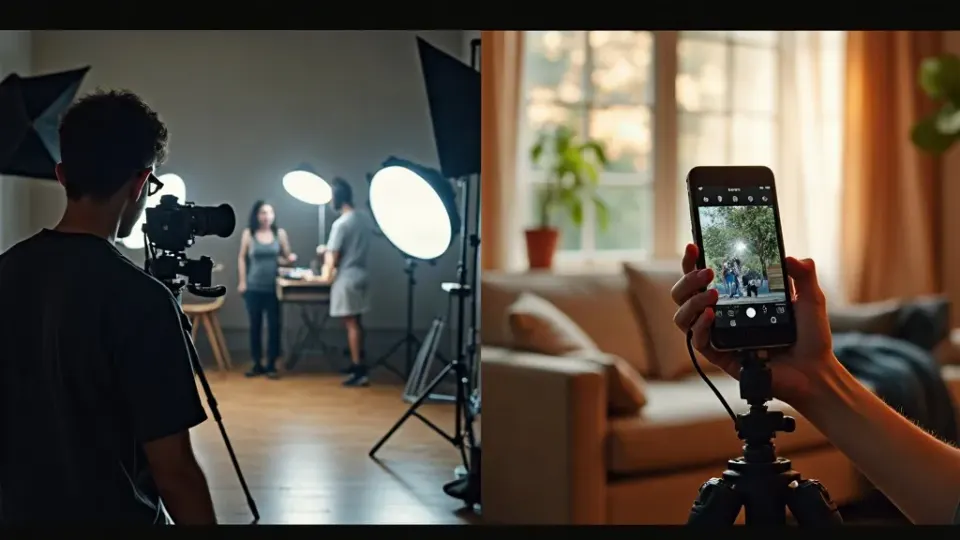
A growing number of direct-to-consumer brands are pulling back from user-generated content as a default creative strategy, citing faster ad saturation and eroding brand equity, according to D2C Times. Creative analytics data and public brand behavior signal a shift toward higher-production formats and more deliberate brand identity investment.
From Ford and NVIDIA to Robinhood's Sherwood, companies are hiring veteran journalists to publish their own coverage as search traffic to news sites falls. Independent evidence of business results remains limited, and credibility depends on editorial standards.
News job cuts are up 12% year-to-date, while Muck Rack and Cision surveys show journalists drowning in off-target pitches yet still relying on PR for story ideas. Here is what reporters say they want and how agencies should adjust.
Google has run four spam updates in 2026 and now defines spam to include manipulating its generative AI answers, while stressing that scaled low-value content is the problem regardless of how it is made. Survey data suggests human oversight and original research, not AI speed, separate content that performs.
DTC brands are wrestling with a defining creative budget question this fall: invest in polished brand films or spread dollars across high-volume user-generated content? Data from Meta, Kantar, Northbeam, and platform operators points toward a category-specific answer — and suggests the brands winning are treating both formats as complementary, not competing.