At FICCI Frames 2026, Meta's India Country Director Arun Srinivas outlined how Instagram's recommendation-driven algorithm, AI tools, and the rise of micro-drama formats are reshaping opportunities for creators and small businesses — with implications for marketers everywhere.
A growing number of direct-to-consumer brands are pulling back from user-generated content as a default creative strategy, citing faster ad saturation and eroding brand equity, according to D2C Times. Creative analytics data and public brand behavior signal a shift toward higher-production formats and more deliberate brand identity investment.
Agencies are turning executive LinkedIn content and employee advocacy into packaged retainers, backed by strong trust data and mostly vendor-sourced reach data. New benchmarks show executive content drives engagement, but not necessarily cheaper clicks or proven pipeline.
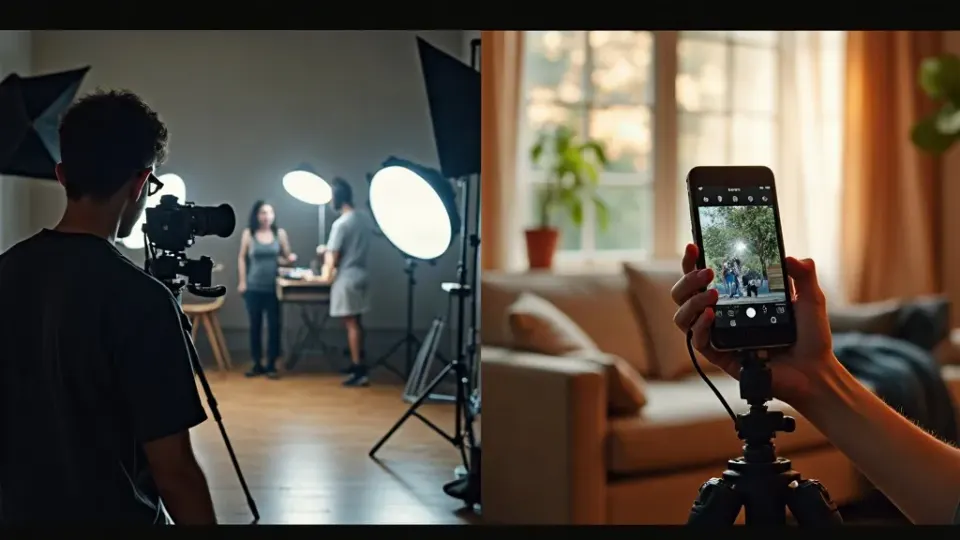
DTC brands are wrestling with a defining creative budget question this fall: invest in polished brand films or spread dollars across high-volume user-generated content? Data from Meta, Kantar, Northbeam, and platform operators points toward a category-specific answer — and suggests the brands winning are treating both formats as complementary, not competing.
As Google completes its third-party cookie deprecation and Meta's Advantage+ absorbs more DTC ad spend, brands are debating whether investing in first-party data infrastructure is a genuine competitive advantage or costly overhead only large players can justify. The stakes are highest heading into Q4 2026, when signal loss is reshaping how performance marketers measure ROAS, build audiences, and attribute new customer acquisition.
TikTok Shop's creator affiliate program has grown to 200,000+ active U.S. creators and anchors a platform that processed over $100 billion in global GMV in 2024 — but brands and agencies are increasingly questioning whether its blended economics hold up once platform fees, commission rate competition, and limited customer-data access are factored in.
Rolling U.S. tariff revisions on Chinese and Southeast Asian goods are forcing mid-market online stores — those doing $5 million to $50 million in annual revenue — to rethink sourcing strategies that may no longer hold, with apparel, furniture, and home goods facing the steepest duty exposure as the holiday peak approaches.
TikTok Shop, Instagram, and YouTube Shopping now function as full storefronts with their own product-data requirements, forcing US merchants to maintain parallel product records and rethink where conversion optimization dollars should go.
With TikTok's legal status still unresolved and its ad platform projected to reach $12.3 billion in U.S. revenue in 2026, direct-to-consumer brands and their agencies are publicly disagreeing about whether TikTok should be a primary paid channel or a contingency play heading into 2027 budget season.
Rising ad costs on both Google and Meta are forcing ecommerce marketers to make harder allocation decisions. Benchmark data, Q2 2026 earnings disclosures, and industry reports suggest the two platforms serve different funnel stages — and that treating them as either/or choices consistently underperforms a coordinated strategy.
U.S. retail media ad spend has surpassed $60 billion, but independent DTC merchants on Shopify, WooCommerce, and BigCommerce face structural disadvantages versus large CPG advertisers — and rising CPCs, questionable attribution, and unequal platform access are prompting a rethink of channel strategy heading into Q4 2026.
Google's AI Overviews are measurably suppressing organic click-through rates, hitting e-commerce brands hardest on upper-funnel informational queries. The industry is split three ways on how to respond — shift budget to Google Ads, diversify to Meta and owned channels, or restructure content for AI citation — while rising paid-media costs put pressure on thin-margin merchants.