Muck Rack's May 2026 study found earned media accounted for 84% of citations in ChatGPT, Claude and Gemini answers, with paid content at 0.3%, and other trackers point the same way with different definitions. For agencies, press coverage now works as an input to AI answers, with recency, outlet choice and query type shaping what gets cited.
Google's Search Console now reports impressions in AI Overviews and AI Mode for all sites, but no clicks or queries, leaving agencies to rely on prompt-tracking tools for share of AI voice. Research showing AI recommendations rarely repeat means those numbers need careful framing in client reports.
From Ford and NVIDIA to Robinhood's Sherwood, companies are hiring veteran journalists to publish their own coverage as search traffic to news sites falls. Independent evidence of business results remains limited, and credibility depends on editorial standards.
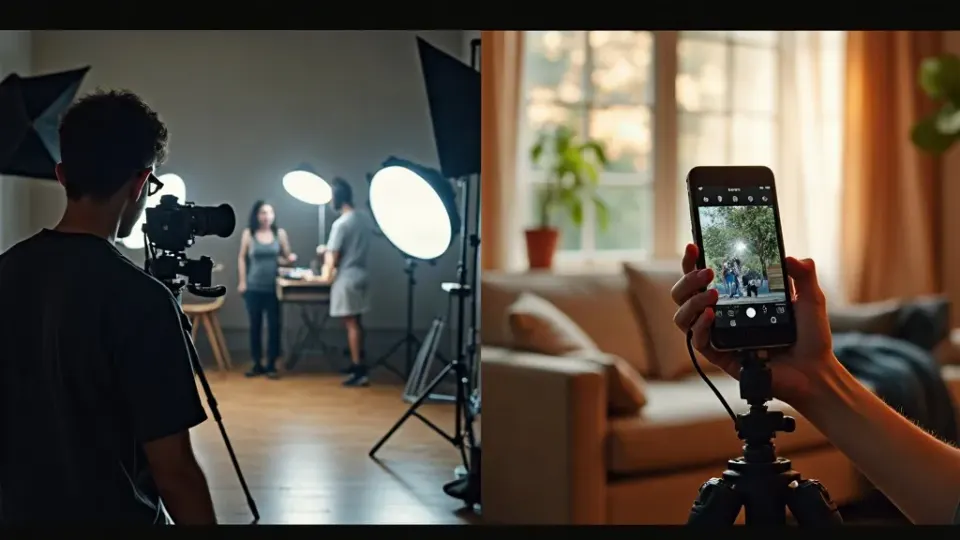
DTC brands are wrestling with a defining creative budget question this fall: invest in polished brand films or spread dollars across high-volume user-generated content? Data from Meta, Kantar, Northbeam, and platform operators points toward a category-specific answer — and suggests the brands winning are treating both formats as complementary, not competing.
Subscription brands from Hims & Hers to HelloFresh are reporting that letting subscribers pause—rather than cancel—is reshaping their LTV/CAC math. But growth operators are sharply divided on whether the mechanic genuinely extends customer lifetime value or merely delays churn while inflating active subscriber counts.
Frustrated by stubbornly high Meta CPMs and murky Advantage+ reporting, a growing number of direct-to-consumer brands are diverting performance ad dollars into connected television. Early movers in home goods, fitness equipment, personal care, pet care, and subscription food report measurable lift — but the channel demands a patience and planning discipline that conflicts with how most DTC growth teams are wired.