Seer Interactive's 2026 data shows organic click-through falls sharply when an AI Overview appears, with informational and comparison queries hit hardest, while G2 and BrightLocal surveys show buyers and local consumers turning to AI for shortlists. For B2B, professional-services and local businesses, the top of the funnel is shifting into Google's and chatbots' answers.
Google's Search Console now reports impressions in AI Overviews and AI Mode for all sites, but no clicks or queries, leaving agencies to rely on prompt-tracking tools for share of AI voice. Research showing AI recommendations rarely repeat means those numbers need careful framing in client reports.
Nearly half of patients in a 2026 rater8 survey used AI tools to research providers, and most now screen doctors by star rating before booking. At the same time, hospital tracking-pixel settlements and new state health-privacy bills are pushing healthcare marketers to rethink how they measure patient acquisition.
Two years after the NAR settlement, agents must sell their value in writing, first-time buyers have fallen to a record-low 21% and Compass has dropped its suit over Zillow's listing rules. Here is what that means for agencies marketing agents and brokerages, from social leads to uneven AI adoption.
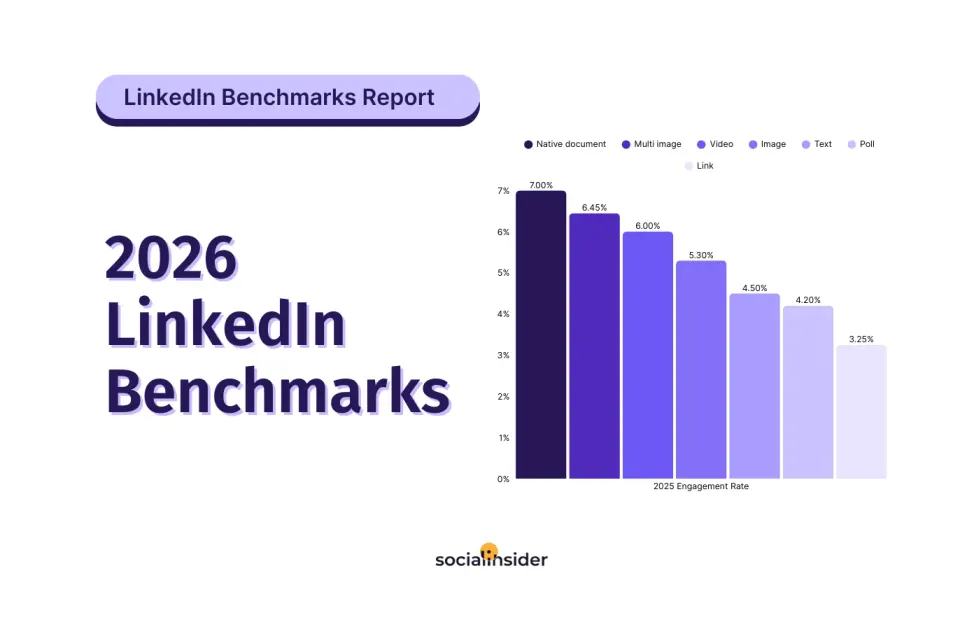
LinkedIn's rebuilt, LLM-based feed now ranks posts by members' long-term interests, and new benchmarks show company-page engagement holding at 5.2% while follower growth slows and page video views fall 36%. Here is what that means for B2B brands and the agencies that run their LinkedIn.
Agencies are turning executive LinkedIn content and employee advocacy into packaged retainers, backed by strong trust data and mostly vendor-sourced reach data. New benchmarks show executive content drives engagement, but not necessarily cheaper clicks or proven pipeline.
From Ford and NVIDIA to Robinhood's Sherwood, companies are hiring veteran journalists to publish their own coverage as search traffic to news sites falls. Independent evidence of business results remains limited, and credibility depends on editorial standards.
Google has run four spam updates in 2026 and now defines spam to include manipulating its generative AI answers, while stressing that scaled low-value content is the problem regardless of how it is made. Survey data suggests human oversight and original research, not AI speed, separate content that performs.
DTC brands are wrestling with a defining creative budget question this fall: invest in polished brand films or spread dollars across high-volume user-generated content? Data from Meta, Kantar, Northbeam, and platform operators points toward a category-specific answer — and suggests the brands winning are treating both formats as complementary, not competing.
New research from Financial Media & Marketing highlights seven data-backed content marketing strategies for financial advisors and B2B professionals, centering on personalization, content format mix, publishing consistency, distribution channels, compliance, analytics, and resource management.
Rolling U.S. tariff revisions on Chinese and Southeast Asian goods are forcing mid-market online stores — those doing $5 million to $50 million in annual revenue — to rethink sourcing strategies that may no longer hold, with apparel, furniture, and home goods facing the steepest duty exposure as the holiday peak approaches.
Rising ad costs on both Google and Meta are forcing ecommerce marketers to make harder allocation decisions. Benchmark data, Q2 2026 earnings disclosures, and industry reports suggest the two platforms serve different funnel stages — and that treating them as either/or choices consistently underperforms a coordinated strategy.