At FICCI Frames 2026, Meta's India Country Director Arun Srinivas outlined how Instagram's recommendation-driven algorithm, AI tools, and the rise of micro-drama formats are reshaping opportunities for creators and small businesses — with implications for marketers everywhere.
Muck Rack's May 2026 study found earned media accounted for 84% of citations in ChatGPT, Claude and Gemini answers, with paid content at 0.3%, and other trackers point the same way with different definitions. For agencies, press coverage now works as an input to AI answers, with recency, outlet choice and query type shaping what gets cited.
Google's Search Console now reports impressions in AI Overviews and AI Mode for all sites, but no clicks or queries, leaving agencies to rely on prompt-tracking tools for share of AI voice. Research showing AI recommendations rarely repeat means those numbers need careful framing in client reports.
Nearly half of patients in a 2026 rater8 survey used AI tools to research providers, and most now screen doctors by star rating before booking. At the same time, hospital tracking-pixel settlements and new state health-privacy bills are pushing healthcare marketers to rethink how they measure patient acquisition.
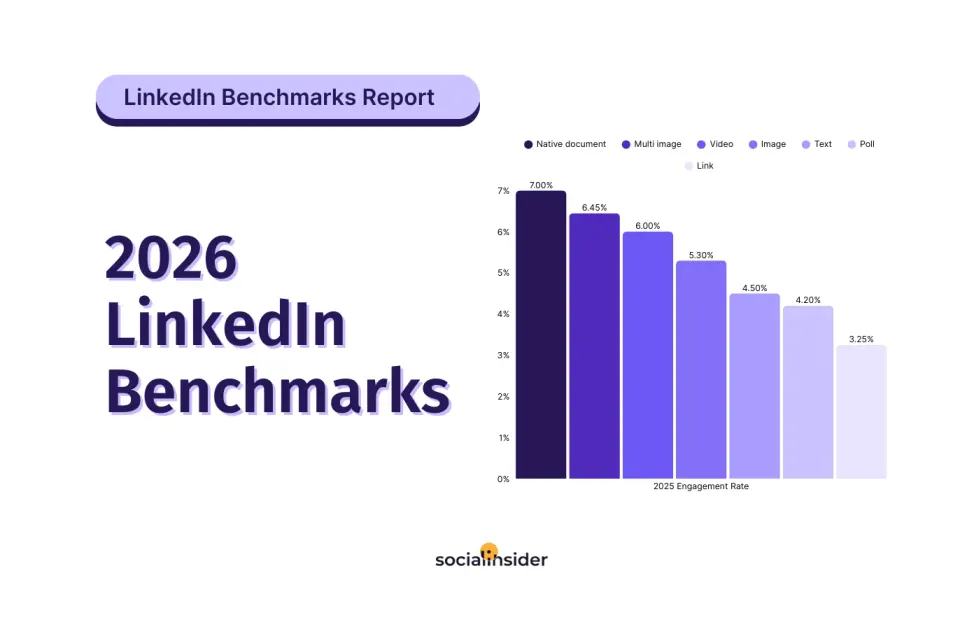
LinkedIn's rebuilt, LLM-based feed now ranks posts by members' long-term interests, and new benchmarks show company-page engagement holding at 5.2% while follower growth slows and page video views fall 36%. Here is what that means for B2B brands and the agencies that run their LinkedIn.
Agencies are turning executive LinkedIn content and employee advocacy into packaged retainers, backed by strong trust data and mostly vendor-sourced reach data. New benchmarks show executive content drives engagement, but not necessarily cheaper clicks or proven pipeline.
Google has run four spam updates in 2026 and now defines spam to include manipulating its generative AI answers, while stressing that scaled low-value content is the problem regardless of how it is made. Survey data suggests human oversight and original research, not AI speed, separate content that performs.
Google's 2025–2026 updates to Performance Max campaigns—including channel-level reporting, better brand exclusions, and improved coexistence with standard Shopping—have not quieted the debate over whether PMax is a smart AI-native format or an opaque budget drain. Here is what the evidence says for small and midsize ecommerce operators.
New research from Financial Media & Marketing highlights seven data-backed content marketing strategies for financial advisors and B2B professionals, centering on personalization, content format mix, publishing consistency, distribution channels, compliance, analytics, and resource management.
U.S. retail media ad spend has surpassed $60 billion, but independent DTC merchants on Shopify, WooCommerce, and BigCommerce face structural disadvantages versus large CPG advertisers — and rising CPCs, questionable attribution, and unequal platform access are prompting a rethink of channel strategy heading into Q4 2026.