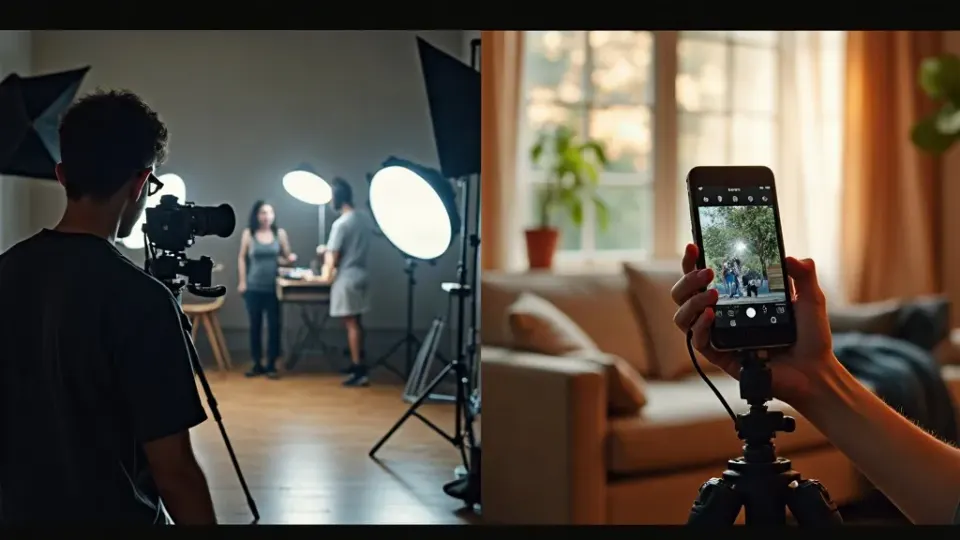
A growing number of direct-to-consumer brands are pulling back from user-generated content as a default creative strategy, citing faster ad saturation and eroding brand equity, according to D2C Times. Creative analytics data and public brand behavior signal a shift toward higher-production formats and more deliberate brand identity investment.
Seer Interactive's 2026 data shows organic click-through falls sharply when an AI Overview appears, with informational and comparison queries hit hardest, while G2 and BrightLocal surveys show buyers and local consumers turning to AI for shortlists. For B2B, professional-services and local businesses, the top of the funnel is shifting into Google's and chatbots' answers.
YouTube's Made on YouTube event, Instagram's new AI-profile rule, Threads' community and podcast tools and TikTok's US joint venture all affect how brand content is made and found this fall. Here is what changed and how agencies should adjust client plans.
DTC brands are wrestling with a defining creative budget question this fall: invest in polished brand films or spread dollars across high-volume user-generated content? Data from Meta, Kantar, Northbeam, and platform operators points toward a category-specific answer — and suggests the brands winning are treating both formats as complementary, not competing.
Google's 2025–2026 updates to Performance Max campaigns—including channel-level reporting, better brand exclusions, and improved coexistence with standard Shopping—have not quieted the debate over whether PMax is a smart AI-native format or an opaque budget drain. Here is what the evidence says for small and midsize ecommerce operators.
Short-form video is replacing static photography on ecommerce product pages, but conversion experts warn the gains are category-dependent, the A/B testing evidence is thin, and a poorly executed implementation can hurt SEO rankings through Google Core Web Vitals regressions.
U.S. retail media ad spend has surpassed $60 billion, but independent DTC merchants on Shopify, WooCommerce, and BigCommerce face structural disadvantages versus large CPG advertisers — and rising CPCs, questionable attribution, and unequal platform access are prompting a rethink of channel strategy heading into Q4 2026.
Google's AI Overviews are measurably suppressing organic click-through rates, hitting e-commerce brands hardest on upper-funnel informational queries. The industry is split three ways on how to respond — shift budget to Google Ads, diversify to Meta and owned channels, or restructure content for AI citation — while rising paid-media costs put pressure on thin-margin merchants.