Two years after the NAR settlement, agents must sell their value in writing, first-time buyers have fallen to a record-low 21% and Compass has dropped its suit over Zillow's listing rules. Here is what that means for agencies marketing agents and brokerages, from social leads to uneven AI adoption.
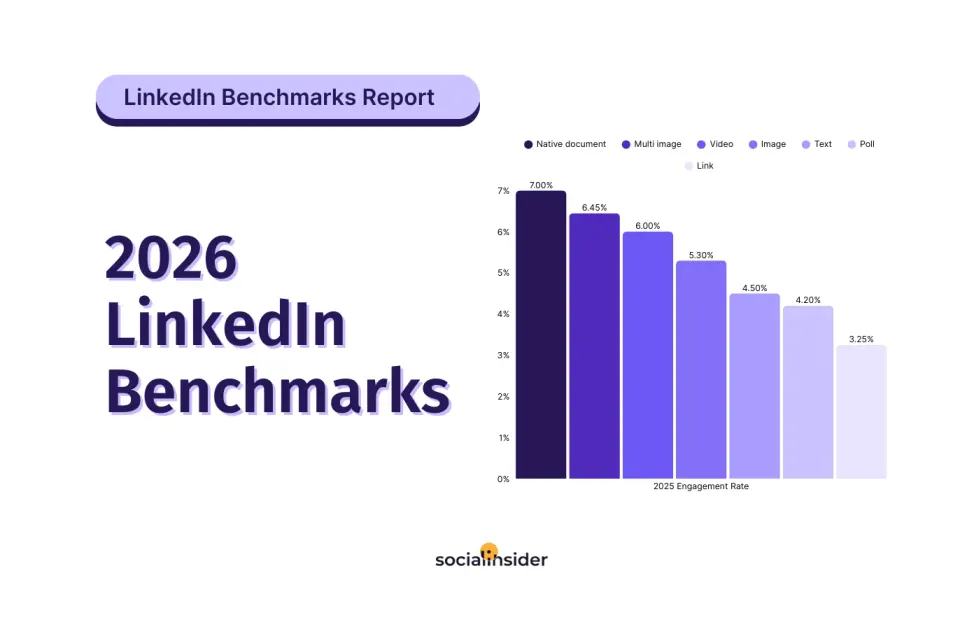
LinkedIn's rebuilt, LLM-based feed now ranks posts by members' long-term interests, and new benchmarks show company-page engagement holding at 5.2% while follower growth slows and page video views fall 36%. Here is what that means for B2B brands and the agencies that run their LinkedIn.
YouTube's Made on YouTube event, Instagram's new AI-profile rule, Threads' community and podcast tools and TikTok's US joint venture all affect how brand content is made and found this fall. Here is what changed and how agencies should adjust client plans.
Agencies are turning executive LinkedIn content and employee advocacy into packaged retainers, backed by strong trust data and mostly vendor-sourced reach data. New benchmarks show executive content drives engagement, but not necessarily cheaper clicks or proven pipeline.
From Ford and NVIDIA to Robinhood's Sherwood, companies are hiring veteran journalists to publish their own coverage as search traffic to news sites falls. Independent evidence of business results remains limited, and credibility depends on editorial standards.
DTC brands are wrestling with a defining creative budget question this fall: invest in polished brand films or spread dollars across high-volume user-generated content? Data from Meta, Kantar, Northbeam, and platform operators points toward a category-specific answer — and suggests the brands winning are treating both formats as complementary, not competing.
A growing number of digitally native direct-to-consumer brands are signing wholesale deals with Target, Nordstrom, and Whole Foods as rising Meta CPMs make pure-play DTC increasingly costly. The shift is dividing operators: proponents see retail shelf space as subsidized customer acquisition, while critics warn that handing transactions to a retailer erodes the first-party data and pricing control that made the DTC model valuable in the first place.
New research from Financial Media & Marketing highlights seven data-backed content marketing strategies for financial advisors and B2B professionals, centering on personalization, content format mix, publishing consistency, distribution channels, compliance, analytics, and resource management.
AmSpa survey data and 2026 ad benchmarks reveal that the average med spa spends 7% of revenue on marketing — slightly below the cross-industry norm — while Beauty and Personal Care paid search costs dropped sharply and repeat patients already account for nearly three-quarters of visit volume.
New benchmark data shows attorneys and legal services average $131.63 per Google Ads lead — more than double the cross-industry average — while Clio's survey data finds referrals remain the top client source, yet 87% of declined prospects never get referred anywhere else. For personal injury firms, response speed and referral discipline may matter as much as ad spend.
Subscription brands from Hims & Hers to HelloFresh are reporting that letting subscribers pause—rather than cancel—is reshaping their LTV/CAC math. But growth operators are sharply divided on whether the mechanic genuinely extends customer lifetime value or merely delays churn while inflating active subscriber counts.
Frustrated by stubbornly high Meta CPMs and murky Advantage+ reporting, a growing number of direct-to-consumer brands are diverting performance ad dollars into connected television. Early movers in home goods, fitness equipment, personal care, pet care, and subscription food report measurable lift — but the channel demands a patience and planning discipline that conflicts with how most DTC growth teams are wired.