At FICCI Frames 2026, Meta's India Country Director Arun Srinivas outlined how Instagram's recommendation-driven algorithm, AI tools, and the rise of micro-drama formats are reshaping opportunities for creators and small businesses — with implications for marketers everywhere.
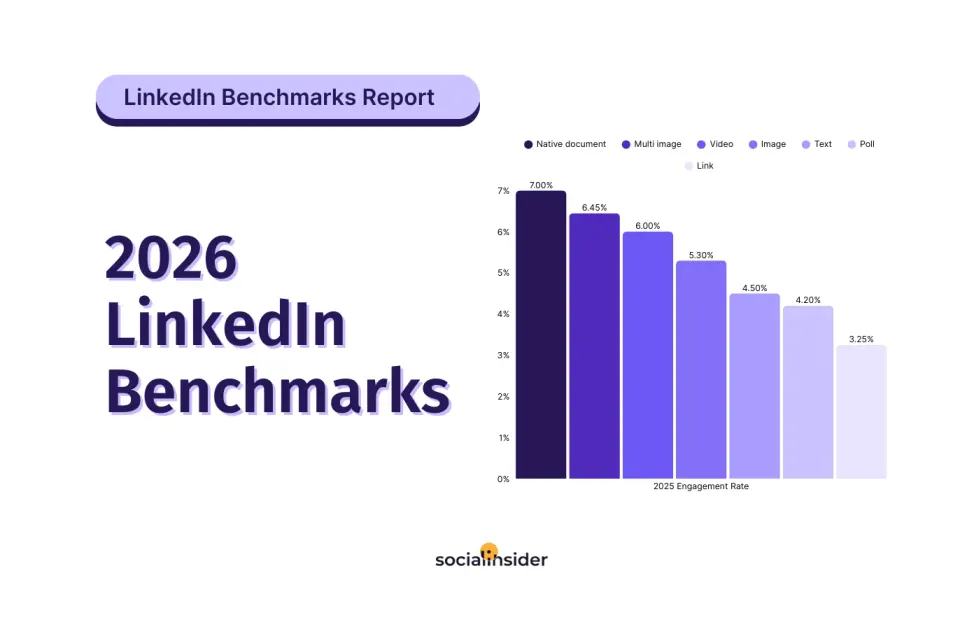
LinkedIn's rebuilt, LLM-based feed now ranks posts by members' long-term interests, and new benchmarks show company-page engagement holding at 5.2% while follower growth slows and page video views fall 36%. Here is what that means for B2B brands and the agencies that run their LinkedIn.
Agencies are turning executive LinkedIn content and employee advocacy into packaged retainers, backed by strong trust data and mostly vendor-sourced reach data. New benchmarks show executive content drives engagement, but not necessarily cheaper clicks or proven pipeline.
DTC brands are wrestling with a defining creative budget question this fall: invest in polished brand films or spread dollars across high-volume user-generated content? Data from Meta, Kantar, Northbeam, and platform operators points toward a category-specific answer — and suggests the brands winning are treating both formats as complementary, not competing.
Meta's fully automated Advantage+ Shopping Campaigns have become the most debated paid-media product in DTC circles this fall, with believers citing efficiency gains and skeptics warning that handing the algorithm creative control risks brand equity. Independent attribution vendors flag methodology problems with Meta's native reporting, while agencies are advising a hybrid approach—automated buying paired with rigorous external measurement and human-led creative testing.
A growing number of digitally native direct-to-consumer brands are signing wholesale deals with Target, Nordstrom, and Whole Foods as rising Meta CPMs make pure-play DTC increasingly costly. The shift is dividing operators: proponents see retail shelf space as subsidized customer acquisition, while critics warn that handing transactions to a retailer erodes the first-party data and pricing control that made the DTC model valuable in the first place.
AmSpa survey data and 2026 ad benchmarks reveal that the average med spa spends 7% of revenue on marketing — slightly below the cross-industry norm — while Beauty and Personal Care paid search costs dropped sharply and repeat patients already account for nearly three-quarters of visit volume.
As Meta CPMs climb and post-iOS 14 attribution remains murky, direct-to-consumer brands are locked in a heated debate about whether referral programs can serve as a primary customer-acquisition channel—or whether they are merely a loyalty tax on customers who would have bought anyway.
Subscription brands from Hims & Hers to HelloFresh are reporting that letting subscribers pause—rather than cancel—is reshaping their LTV/CAC math. But growth operators are sharply divided on whether the mechanic genuinely extends customer lifetime value or merely delays churn while inflating active subscriber counts.
With TikTok's legal status still unresolved and its ad platform projected to reach $12.3 billion in U.S. revenue in 2026, direct-to-consumer brands and their agencies are publicly disagreeing about whether TikTok should be a primary paid channel or a contingency play heading into 2027 budget season.