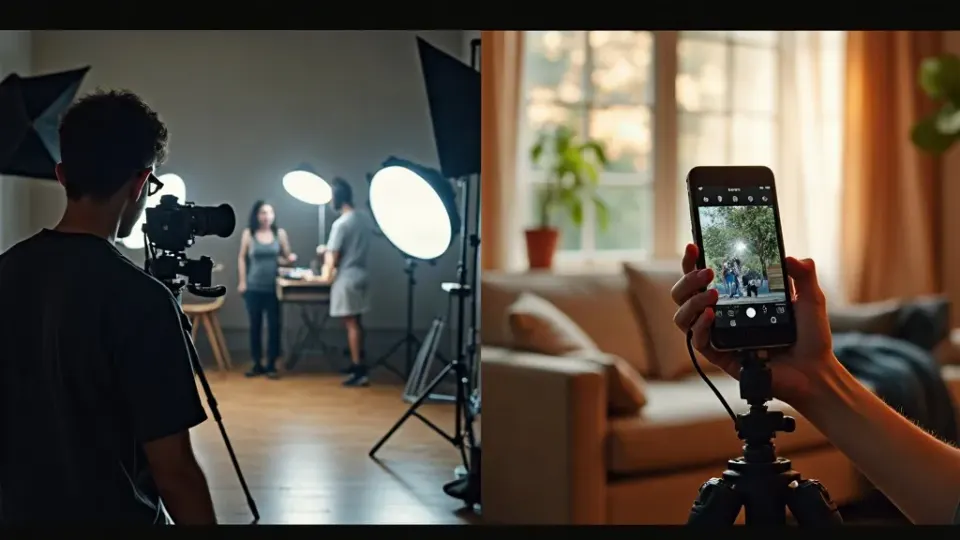
DTC brands are wrestling with a defining creative budget question this fall: invest in polished brand films or spread dollars across high-volume user-generated content? Data from Meta, Kantar, Northbeam, and platform operators points toward a category-specific answer — and suggests the brands winning are treating both formats as complementary, not competing.
Google's 2025–2026 updates to Performance Max campaigns—including channel-level reporting, better brand exclusions, and improved coexistence with standard Shopping—have not quieted the debate over whether PMax is a smart AI-native format or an opaque budget drain. Here is what the evidence says for small and midsize ecommerce operators.
Meta's fully automated Advantage+ Shopping Campaigns have become the most debated paid-media product in DTC circles this fall, with believers citing efficiency gains and skeptics warning that handing the algorithm creative control risks brand equity. Independent attribution vendors flag methodology problems with Meta's native reporting, while agencies are advising a hybrid approach—automated buying paired with rigorous external measurement and human-led creative testing.
AmSpa survey data and 2026 ad benchmarks reveal that the average med spa spends 7% of revenue on marketing — slightly below the cross-industry norm — while Beauty and Personal Care paid search costs dropped sharply and repeat patients already account for nearly three-quarters of visit volume.
Short-form video is replacing static photography on ecommerce product pages, but conversion experts warn the gains are category-dependent, the A/B testing evidence is thin, and a poorly executed implementation can hurt SEO rankings through Google Core Web Vitals regressions.
Amazon's demand-side platform is pulling DTC ad budgets away from Meta and Google by offering purchase-intent data no other platform can match — but its real value depends heavily on whether a brand already sells on Amazon.
U.S. retail media ad spend has surpassed $60 billion, but independent DTC merchants on Shopify, WooCommerce, and BigCommerce face structural disadvantages versus large CPG advertisers — and rising CPCs, questionable attribution, and unequal platform access are prompting a rethink of channel strategy heading into Q4 2026.