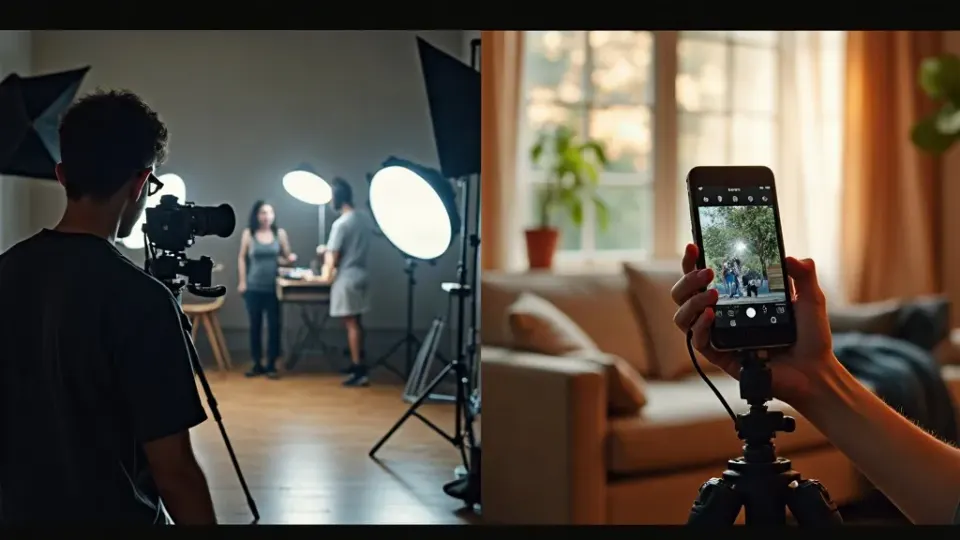
A growing number of direct-to-consumer brands are pulling back from user-generated content as a default creative strategy, citing faster ad saturation and eroding brand equity, according to D2C Times. Creative analytics data and public brand behavior signal a shift toward higher-production formats and more deliberate brand identity investment.
Google's Search Console now reports impressions in AI Overviews and AI Mode for all sites, but no clicks or queries, leaving agencies to rely on prompt-tracking tools for share of AI voice. Research showing AI recommendations rarely repeat means those numbers need careful framing in client reports.
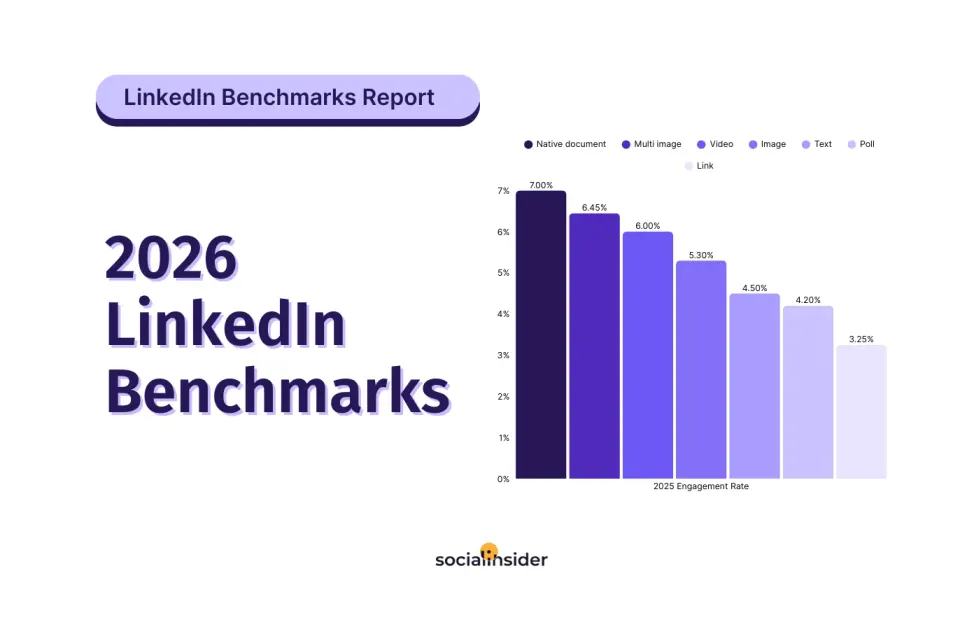
LinkedIn's rebuilt, LLM-based feed now ranks posts by members' long-term interests, and new benchmarks show company-page engagement holding at 5.2% while follower growth slows and page video views fall 36%. Here is what that means for B2B brands and the agencies that run their LinkedIn.
YouTube's Made on YouTube event, Instagram's new AI-profile rule, Threads' community and podcast tools and TikTok's US joint venture all affect how brand content is made and found this fall. Here is what changed and how agencies should adjust client plans.
Agencies are turning executive LinkedIn content and employee advocacy into packaged retainers, backed by strong trust data and mostly vendor-sourced reach data. New benchmarks show executive content drives engagement, but not necessarily cheaper clicks or proven pipeline.
DTC brands are wrestling with a defining creative budget question this fall: invest in polished brand films or spread dollars across high-volume user-generated content? Data from Meta, Kantar, Northbeam, and platform operators points toward a category-specific answer — and suggests the brands winning are treating both formats as complementary, not competing.
Google's 2025–2026 updates to Performance Max campaigns—including channel-level reporting, better brand exclusions, and improved coexistence with standard Shopping—have not quieted the debate over whether PMax is a smart AI-native format or an opaque budget drain. Here is what the evidence says for small and midsize ecommerce operators.
A growing number of digitally native direct-to-consumer brands are signing wholesale deals with Target, Nordstrom, and Whole Foods as rising Meta CPMs make pure-play DTC increasingly costly. The shift is dividing operators: proponents see retail shelf space as subsidized customer acquisition, while critics warn that handing transactions to a retailer erodes the first-party data and pricing control that made the DTC model valuable in the first place.
As Google completes its third-party cookie deprecation and Meta's Advantage+ absorbs more DTC ad spend, brands are debating whether investing in first-party data infrastructure is a genuine competitive advantage or costly overhead only large players can justify. The stakes are highest heading into Q4 2026, when signal loss is reshaping how performance marketers measure ROAS, build audiences, and attribute new customer acquisition.
AmSpa survey data and 2026 ad benchmarks reveal that the average med spa spends 7% of revenue on marketing — slightly below the cross-industry norm — while Beauty and Personal Care paid search costs dropped sharply and repeat patients already account for nearly three-quarters of visit volume.
New benchmark data shows attorneys and legal services average $131.63 per Google Ads lead — more than double the cross-industry average — while Clio's survey data finds referrals remain the top client source, yet 87% of declined prospects never get referred anywhere else. For personal injury firms, response speed and referral discipline may matter as much as ad spend.
TikTok Shop's creator affiliate program has grown to 200,000+ active U.S. creators and anchors a platform that processed over $100 billion in global GMV in 2024 — but brands and agencies are increasingly questioning whether its blended economics hold up once platform fees, commission rate competition, and limited customer-data access are factored in.