A growing number of direct-to-consumer brands are pulling back from user-generated content as a default creative strategy, citing faster ad saturation and eroding brand equity, according to D2C Times. Creative analytics data and public brand behavior signal a shift toward higher-production formats and more deliberate brand identity investment.
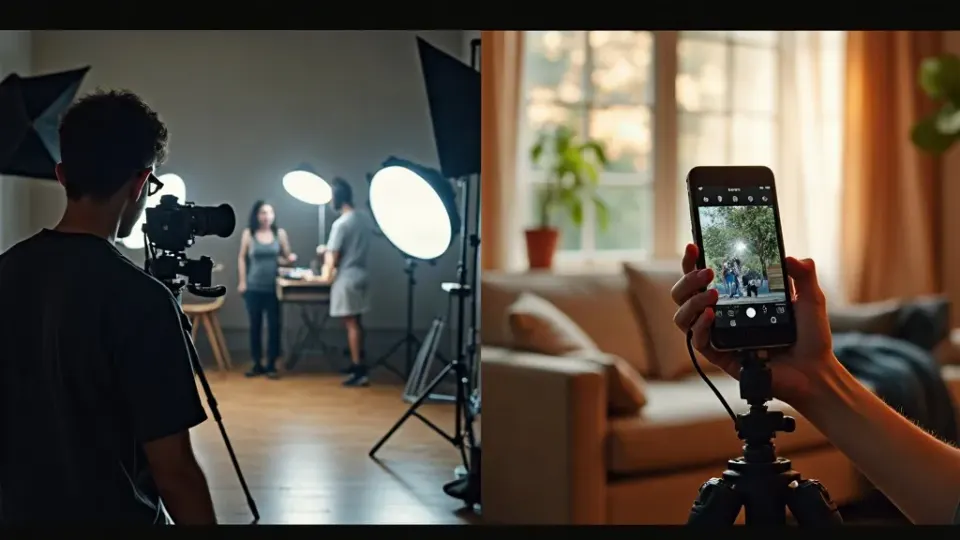
DTC brands are wrestling with a defining creative budget question this fall: invest in polished brand films or spread dollars across high-volume user-generated content? Data from Meta, Kantar, Northbeam, and platform operators points toward a category-specific answer — and suggests the brands winning are treating both formats as complementary, not competing.
Google's 2025–2026 updates to Performance Max campaigns—including channel-level reporting, better brand exclusions, and improved coexistence with standard Shopping—have not quieted the debate over whether PMax is a smart AI-native format or an opaque budget drain. Here is what the evidence says for small and midsize ecommerce operators.
Meta's fully automated Advantage+ Shopping Campaigns have become the most debated paid-media product in DTC circles this fall, with believers citing efficiency gains and skeptics warning that handing the algorithm creative control risks brand equity. Independent attribution vendors flag methodology problems with Meta's native reporting, while agencies are advising a hybrid approach—automated buying paired with rigorous external measurement and human-led creative testing.
As Google completes its third-party cookie deprecation and Meta's Advantage+ absorbs more DTC ad spend, brands are debating whether investing in first-party data infrastructure is a genuine competitive advantage or costly overhead only large players can justify. The stakes are highest heading into Q4 2026, when signal loss is reshaping how performance marketers measure ROAS, build audiences, and attribute new customer acquisition.
AmSpa survey data and 2026 ad benchmarks reveal that the average med spa spends 7% of revenue on marketing — slightly below the cross-industry norm — while Beauty and Personal Care paid search costs dropped sharply and repeat patients already account for nearly three-quarters of visit volume.
TikTok Shop's creator affiliate program has grown to 200,000+ active U.S. creators and anchors a platform that processed over $100 billion in global GMV in 2024 — but brands and agencies are increasingly questioning whether its blended economics hold up once platform fees, commission rate competition, and limited customer-data access are factored in.
Subscription brands from Hims & Hers to HelloFresh are reporting that letting subscribers pause—rather than cancel—is reshaping their LTV/CAC math. But growth operators are sharply divided on whether the mechanic genuinely extends customer lifetime value or merely delays churn while inflating active subscriber counts.
Short-form video is replacing static photography on ecommerce product pages, but conversion experts warn the gains are category-dependent, the A/B testing evidence is thin, and a poorly executed implementation can hurt SEO rankings through Google Core Web Vitals regressions.
With TikTok's legal status still unresolved and its ad platform projected to reach $12.3 billion in U.S. revenue in 2026, direct-to-consumer brands and their agencies are publicly disagreeing about whether TikTok should be a primary paid channel or a contingency play heading into 2027 budget season.
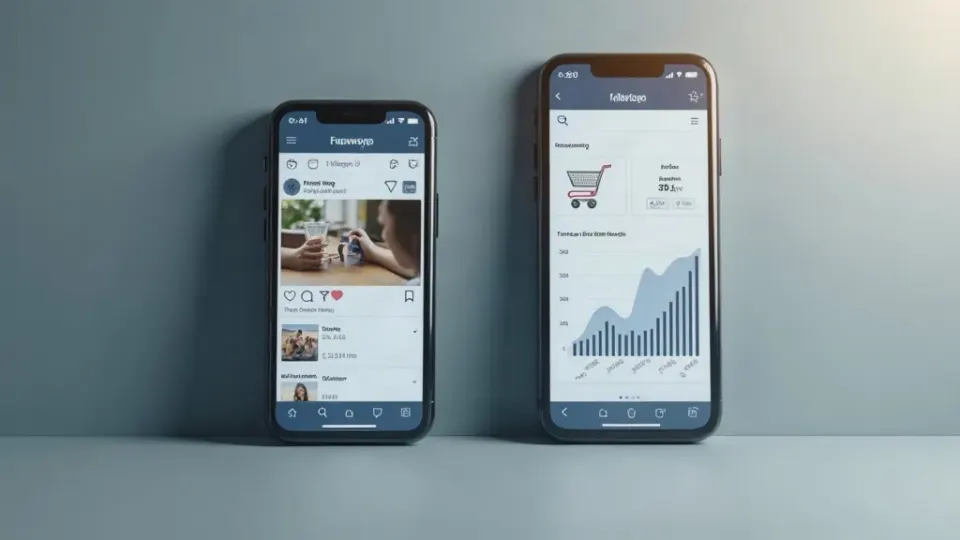
Rising ad costs on both Google and Meta are forcing ecommerce marketers to make harder allocation decisions. Benchmark data, Q2 2026 earnings disclosures, and industry reports suggest the two platforms serve different funnel stages — and that treating them as either/or choices consistently underperforms a coordinated strategy.