YouTube's Made on YouTube event, Instagram's new AI-profile rule, Threads' community and podcast tools and TikTok's US joint venture all affect how brand content is made and found this fall. Here is what changed and how agencies should adjust client plans.
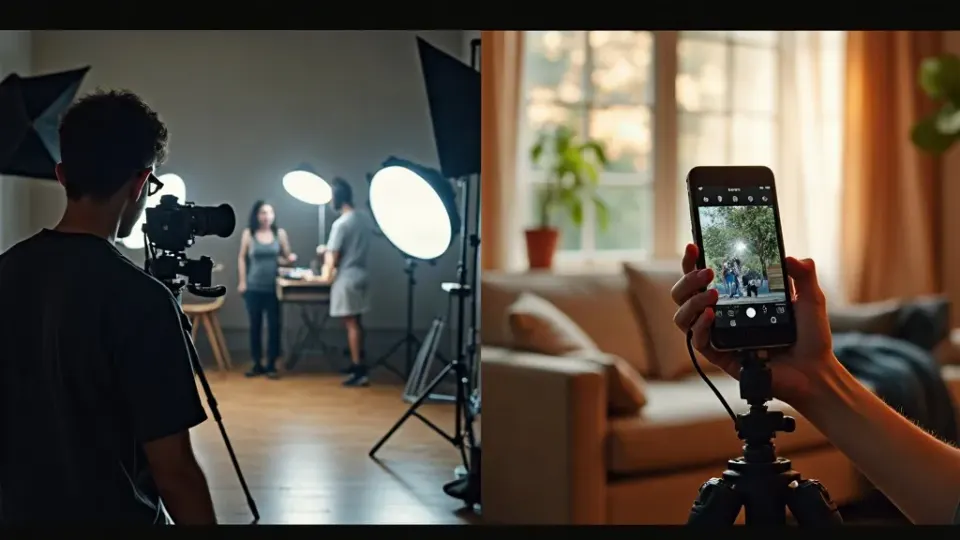
DTC brands are wrestling with a defining creative budget question this fall: invest in polished brand films or spread dollars across high-volume user-generated content? Data from Meta, Kantar, Northbeam, and platform operators points toward a category-specific answer — and suggests the brands winning are treating both formats as complementary, not competing.
Google's 2025–2026 updates to Performance Max campaigns—including channel-level reporting, better brand exclusions, and improved coexistence with standard Shopping—have not quieted the debate over whether PMax is a smart AI-native format or an opaque budget drain. Here is what the evidence says for small and midsize ecommerce operators.
TikTok Shop's creator affiliate program has grown to 200,000+ active U.S. creators and anchors a platform that processed over $100 billion in global GMV in 2024 — but brands and agencies are increasingly questioning whether its blended economics hold up once platform fees, commission rate competition, and limited customer-data access are factored in.
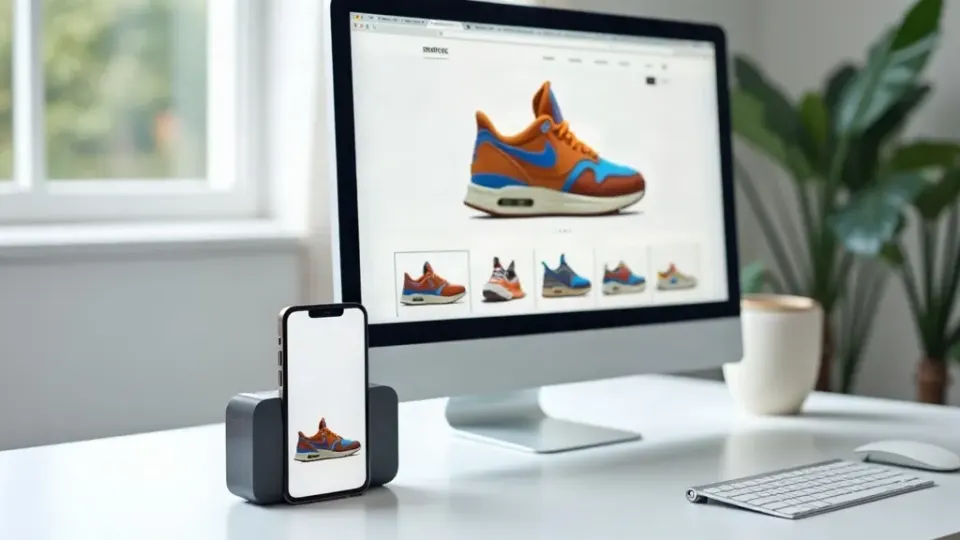
Short-form video is replacing static photography on ecommerce product pages, but conversion experts warn the gains are category-dependent, the A/B testing evidence is thin, and a poorly executed implementation can hurt SEO rankings through Google Core Web Vitals regressions.
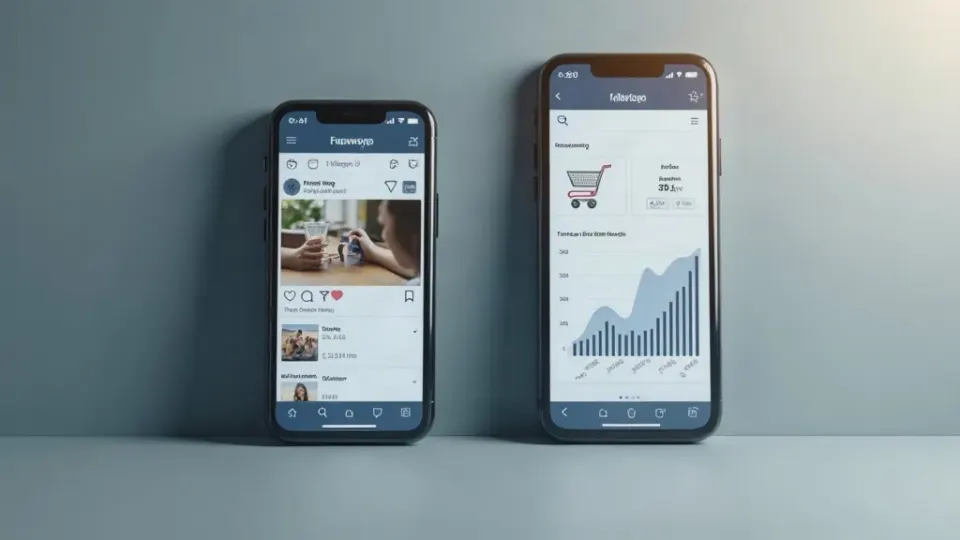
TikTok Shop, Instagram, and YouTube Shopping now function as full storefronts with their own product-data requirements, forcing US merchants to maintain parallel product records and rethink where conversion optimization dollars should go.
With TikTok's legal status still unresolved and its ad platform projected to reach $12.3 billion in U.S. revenue in 2026, direct-to-consumer brands and their agencies are publicly disagreeing about whether TikTok should be a primary paid channel or a contingency play heading into 2027 budget season.
Amazon's demand-side platform is pulling DTC ad budgets away from Meta and Google by offering purchase-intent data no other platform can match — but its real value depends heavily on whether a brand already sells on Amazon.
Google's AI Overviews are measurably suppressing organic click-through rates, hitting e-commerce brands hardest on upper-funnel informational queries. The industry is split three ways on how to respond — shift budget to Google Ads, diversify to Meta and owned channels, or restructure content for AI citation — while rising paid-media costs put pressure on thin-margin merchants.