Google updated its AI content guidance to require manual fact-checking before publication, Gemini links were found carrying UTM parameters for referral attribution, desktop click-through rates fell while mobile rose in Q2 2026, AI Mode information monitoring rolled out globally, and a federal judge dismissed antitrust suits from Penske Media and Chegg over AI Overviews.
Digital advertising has crossed the 80 percent threshold of total US ad budgets for the first time, according to Guideline's U.S. Ad Market Tracker, while national TV spending dropped sharply in August 2026 following World Cup-driven highs. Smaller advertisers are feeling the squeeze as the biggest spenders capture most of the gains.
At FICCI Frames 2026, Meta's India Country Director Arun Srinivas outlined how Instagram's recommendation-driven algorithm, AI tools, and the rise of micro-drama formats are reshaping opportunities for creators and small businesses — with implications for marketers everywhere.
Google's Search Console now reports impressions in AI Overviews and AI Mode for all sites, but no clicks or queries, leaving agencies to rely on prompt-tracking tools for share of AI voice. Research showing AI recommendations rarely repeat means those numbers need careful framing in client reports.
Forrester says 94% of business buyers now use AI during purchases, and typical decisions involve 13 internal stakeholders plus nine outside influencers. For agencies running demand generation for SaaS and tech clients, influence has to happen earlier, reach whole committees and come with proof.
Agencies are turning executive LinkedIn content and employee advocacy into packaged retainers, backed by strong trust data and mostly vendor-sourced reach data. New benchmarks show executive content drives engagement, but not necessarily cheaper clicks or proven pipeline.
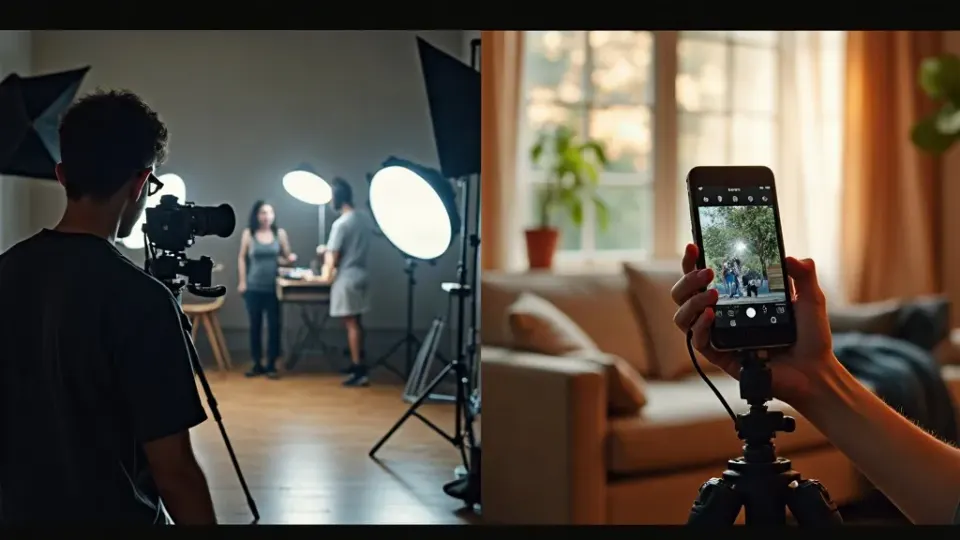
DTC brands are wrestling with a defining creative budget question this fall: invest in polished brand films or spread dollars across high-volume user-generated content? Data from Meta, Kantar, Northbeam, and platform operators points toward a category-specific answer — and suggests the brands winning are treating both formats as complementary, not competing.
Google's 2025–2026 updates to Performance Max campaigns—including channel-level reporting, better brand exclusions, and improved coexistence with standard Shopping—have not quieted the debate over whether PMax is a smart AI-native format or an opaque budget drain. Here is what the evidence says for small and midsize ecommerce operators.
Meta's fully automated Advantage+ Shopping Campaigns have become the most debated paid-media product in DTC circles this fall, with believers citing efficiency gains and skeptics warning that handing the algorithm creative control risks brand equity. Independent attribution vendors flag methodology problems with Meta's native reporting, while agencies are advising a hybrid approach—automated buying paired with rigorous external measurement and human-led creative testing.
As Google completes its third-party cookie deprecation and Meta's Advantage+ absorbs more DTC ad spend, brands are debating whether investing in first-party data infrastructure is a genuine competitive advantage or costly overhead only large players can justify. The stakes are highest heading into Q4 2026, when signal loss is reshaping how performance marketers measure ROAS, build audiences, and attribute new customer acquisition.
TikTok Shop's creator affiliate program has grown to 200,000+ active U.S. creators and anchors a platform that processed over $100 billion in global GMV in 2024 — but brands and agencies are increasingly questioning whether its blended economics hold up once platform fees, commission rate competition, and limited customer-data access are factored in.
As Meta CPMs climb and post-iOS 14 attribution remains murky, direct-to-consumer brands are locked in a heated debate about whether referral programs can serve as a primary customer-acquisition channel—or whether they are merely a loyalty tax on customers who would have bought anyway.