Google updated its AI content guidance to require manual fact-checking before publication, Gemini links were found carrying UTM parameters for referral attribution, desktop click-through rates fell while mobile rose in Q2 2026, AI Mode information monitoring rolled out globally, and a federal judge dismissed antitrust suits from Penske Media and Chegg over AI Overviews.
At FICCI Frames 2026, Meta's India Country Director Arun Srinivas outlined how Instagram's recommendation-driven algorithm, AI tools, and the rise of micro-drama formats are reshaping opportunities for creators and small businesses — with implications for marketers everywhere.
Muck Rack's May 2026 study found earned media accounted for 84% of citations in ChatGPT, Claude and Gemini answers, with paid content at 0.3%, and other trackers point the same way with different definitions. For agencies, press coverage now works as an input to AI answers, with recency, outlet choice and query type shaping what gets cited.
Seer Interactive's 2026 data shows organic click-through falls sharply when an AI Overview appears, with informational and comparison queries hit hardest, while G2 and BrightLocal surveys show buyers and local consumers turning to AI for shortlists. For B2B, professional-services and local businesses, the top of the funnel is shifting into Google's and chatbots' answers.
Google's Search Console now reports impressions in AI Overviews and AI Mode for all sites, but no clicks or queries, leaving agencies to rely on prompt-tracking tools for share of AI voice. Research showing AI recommendations rarely repeat means those numbers need careful framing in client reports.
Forrester says 94% of business buyers now use AI during purchases, and typical decisions involve 13 internal stakeholders plus nine outside influencers. For agencies running demand generation for SaaS and tech clients, influence has to happen earlier, reach whole committees and come with proof.
Two years after the NAR settlement, agents must sell their value in writing, first-time buyers have fallen to a record-low 21% and Compass has dropped its suit over Zillow's listing rules. Here is what that means for agencies marketing agents and brokerages, from social leads to uneven AI adoption.
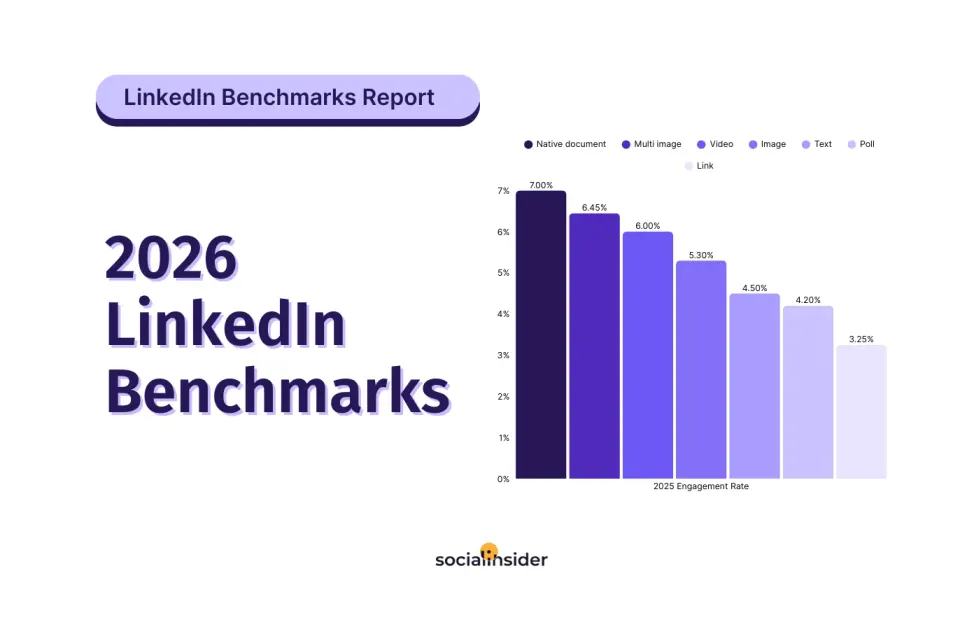
LinkedIn's rebuilt, LLM-based feed now ranks posts by members' long-term interests, and new benchmarks show company-page engagement holding at 5.2% while follower growth slows and page video views fall 36%. Here is what that means for B2B brands and the agencies that run their LinkedIn.
YouTube's Made on YouTube event, Instagram's new AI-profile rule, Threads' community and podcast tools and TikTok's US joint venture all affect how brand content is made and found this fall. Here is what changed and how agencies should adjust client plans.
From Ford and NVIDIA to Robinhood's Sherwood, companies are hiring veteran journalists to publish their own coverage as search traffic to news sites falls. Independent evidence of business results remains limited, and credibility depends on editorial standards.
News job cuts are up 12% year-to-date, while Muck Rack and Cision surveys show journalists drowning in off-target pitches yet still relying on PR for story ideas. Here is what reporters say they want and how agencies should adjust.
Google has run four spam updates in 2026 and now defines spam to include manipulating its generative AI answers, while stressing that scaled low-value content is the problem regardless of how it is made. Survey data suggests human oversight and original research, not AI speed, separate content that performs.