Forrester says 94% of business buyers now use AI during purchases, and typical decisions involve 13 internal stakeholders plus nine outside influencers. For agencies running demand generation for SaaS and tech clients, influence has to happen earlier, reach whole committees and come with proof.
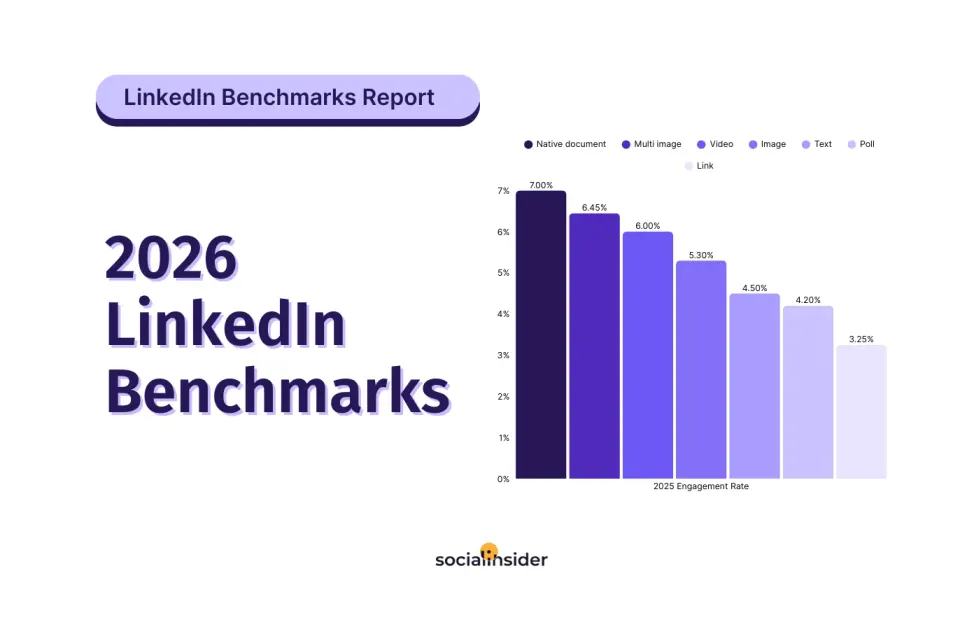
LinkedIn's rebuilt, LLM-based feed now ranks posts by members' long-term interests, and new benchmarks show company-page engagement holding at 5.2% while follower growth slows and page video views fall 36%. Here is what that means for B2B brands and the agencies that run their LinkedIn.
YouTube's Made on YouTube event, Instagram's new AI-profile rule, Threads' community and podcast tools and TikTok's US joint venture all affect how brand content is made and found this fall. Here is what changed and how agencies should adjust client plans.
Agencies are turning executive LinkedIn content and employee advocacy into packaged retainers, backed by strong trust data and mostly vendor-sourced reach data. New benchmarks show executive content drives engagement, but not necessarily cheaper clicks or proven pipeline.
From Ford and NVIDIA to Robinhood's Sherwood, companies are hiring veteran journalists to publish their own coverage as search traffic to news sites falls. Independent evidence of business results remains limited, and credibility depends on editorial standards.
Meta's fully automated Advantage+ Shopping Campaigns have become the most debated paid-media product in DTC circles this fall, with believers citing efficiency gains and skeptics warning that handing the algorithm creative control risks brand equity. Independent attribution vendors flag methodology problems with Meta's native reporting, while agencies are advising a hybrid approach—automated buying paired with rigorous external measurement and human-led creative testing.
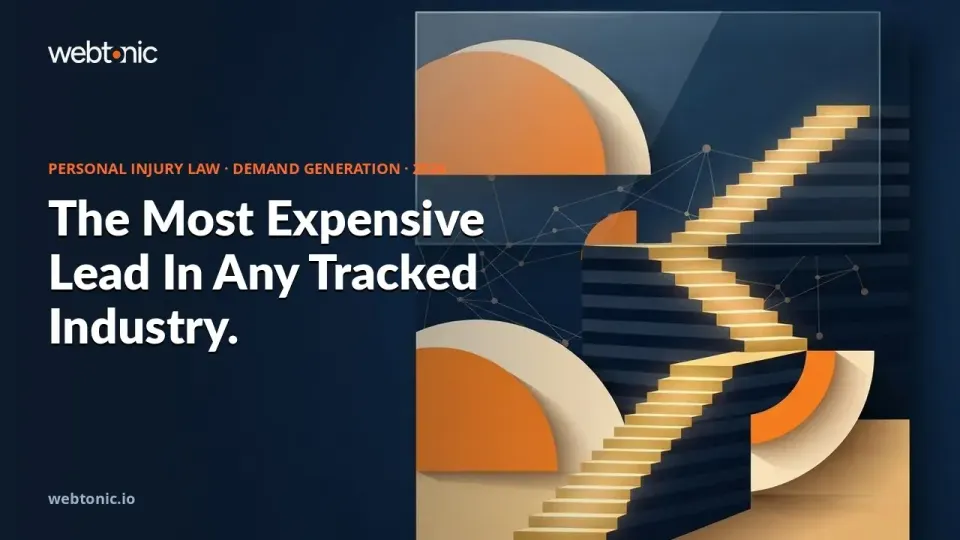
New benchmark data shows attorneys and legal services average $131.63 per Google Ads lead — more than double the cross-industry average — while Clio's survey data finds referrals remain the top client source, yet 87% of declined prospects never get referred anywhere else. For personal injury firms, response speed and referral discipline may matter as much as ad spend.
Subscription brands from Hims & Hers to HelloFresh are reporting that letting subscribers pause—rather than cancel—is reshaping their LTV/CAC math. But growth operators are sharply divided on whether the mechanic genuinely extends customer lifetime value or merely delays churn while inflating active subscriber counts.
With TikTok's legal status still unresolved and its ad platform projected to reach $12.3 billion in U.S. revenue in 2026, direct-to-consumer brands and their agencies are publicly disagreeing about whether TikTok should be a primary paid channel or a contingency play heading into 2027 budget season.
U.S. retail media ad spend has surpassed $60 billion, but independent DTC merchants on Shopify, WooCommerce, and BigCommerce face structural disadvantages versus large CPG advertisers — and rising CPCs, questionable attribution, and unequal platform access are prompting a rethink of channel strategy heading into Q4 2026.