At FICCI Frames 2026, Meta's India Country Director Arun Srinivas outlined how Instagram's recommendation-driven algorithm, AI tools, and the rise of micro-drama formats are reshaping opportunities for creators and small businesses — with implications for marketers everywhere.
Seer Interactive's 2026 data shows organic click-through falls sharply when an AI Overview appears, with informational and comparison queries hit hardest, while G2 and BrightLocal surveys show buyers and local consumers turning to AI for shortlists. For B2B, professional-services and local businesses, the top of the funnel is shifting into Google's and chatbots' answers.
Google's Search Console now reports impressions in AI Overviews and AI Mode for all sites, but no clicks or queries, leaving agencies to rely on prompt-tracking tools for share of AI voice. Research showing AI recommendations rarely repeat means those numbers need careful framing in client reports.
Forrester says 94% of business buyers now use AI during purchases, and typical decisions involve 13 internal stakeholders plus nine outside influencers. For agencies running demand generation for SaaS and tech clients, influence has to happen earlier, reach whole committees and come with proof.
Two years after the NAR settlement, agents must sell their value in writing, first-time buyers have fallen to a record-low 21% and Compass has dropped its suit over Zillow's listing rules. Here is what that means for agencies marketing agents and brokerages, from social leads to uneven AI adoption.
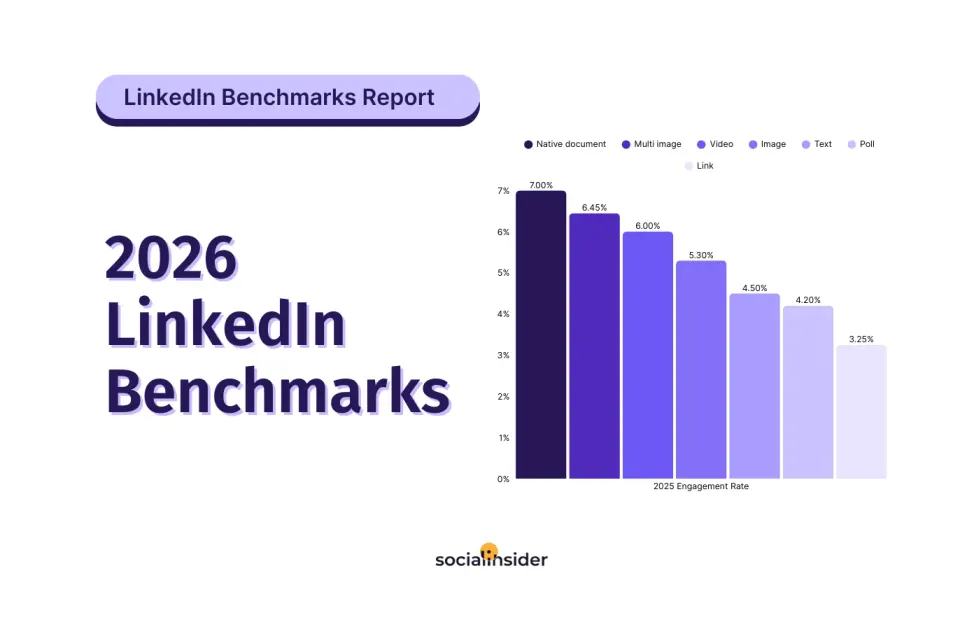
LinkedIn's rebuilt, LLM-based feed now ranks posts by members' long-term interests, and new benchmarks show company-page engagement holding at 5.2% while follower growth slows and page video views fall 36%. Here is what that means for B2B brands and the agencies that run their LinkedIn.
News job cuts are up 12% year-to-date, while Muck Rack and Cision surveys show journalists drowning in off-target pitches yet still relying on PR for story ideas. Here is what reporters say they want and how agencies should adjust.
As Google completes its third-party cookie deprecation and Meta's Advantage+ absorbs more DTC ad spend, brands are debating whether investing in first-party data infrastructure is a genuine competitive advantage or costly overhead only large players can justify. The stakes are highest heading into Q4 2026, when signal loss is reshaping how performance marketers measure ROAS, build audiences, and attribute new customer acquisition.
New research from Financial Media & Marketing highlights seven data-backed content marketing strategies for financial advisors and B2B professionals, centering on personalization, content format mix, publishing consistency, distribution channels, compliance, analytics, and resource management.
AmSpa survey data and 2026 ad benchmarks reveal that the average med spa spends 7% of revenue on marketing — slightly below the cross-industry norm — while Beauty and Personal Care paid search costs dropped sharply and repeat patients already account for nearly three-quarters of visit volume.
New benchmark data shows attorneys and legal services average $131.63 per Google Ads lead — more than double the cross-industry average — while Clio's survey data finds referrals remain the top client source, yet 87% of declined prospects never get referred anywhere else. For personal injury firms, response speed and referral discipline may matter as much as ad spend.
Short-form video is replacing static photography on ecommerce product pages, but conversion experts warn the gains are category-dependent, the A/B testing evidence is thin, and a poorly executed implementation can hurt SEO rankings through Google Core Web Vitals regressions.