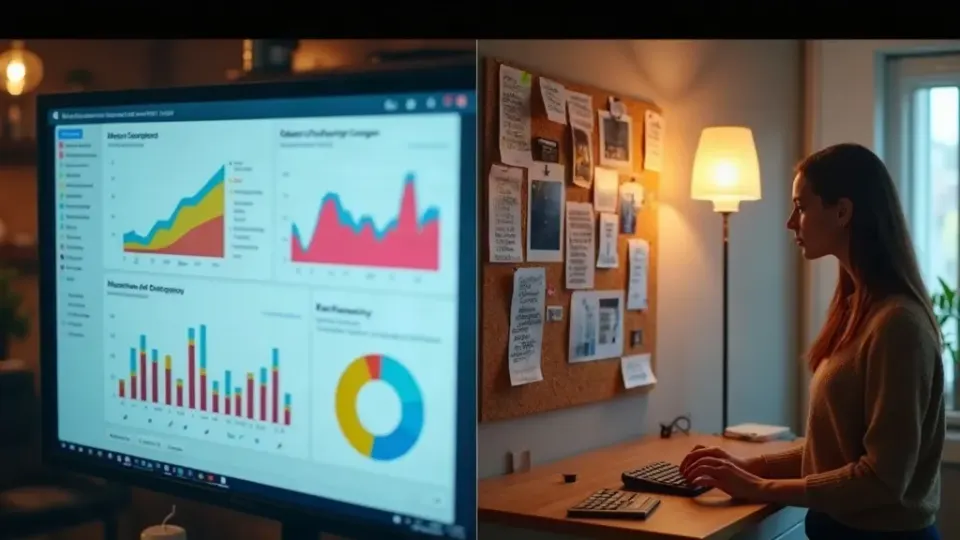
Meta's fully automated Advantage+ Shopping Campaigns have become the most debated paid-media product in DTC circles this fall, with believers citing efficiency gains and skeptics warning that handing the algorithm creative control risks brand equity. Independent attribution vendors flag methodology problems with Meta's native reporting, while agencies are advising a hybrid approach—automated buying paired with rigorous external measurement and human-led creative testing.
TikTok Shop's creator affiliate program has grown to 200,000+ active U.S. creators and anchors a platform that processed over $100 billion in global GMV in 2024 — but brands and agencies are increasingly questioning whether its blended economics hold up once platform fees, commission rate competition, and limited customer-data access are factored in.
As Meta CPMs climb and post-iOS 14 attribution remains murky, direct-to-consumer brands are locked in a heated debate about whether referral programs can serve as a primary customer-acquisition channel—or whether they are merely a loyalty tax on customers who would have bought anyway.
U.S. retail media ad spend has surpassed $60 billion, but independent DTC merchants on Shopify, WooCommerce, and BigCommerce face structural disadvantages versus large CPG advertisers — and rising CPCs, questionable attribution, and unequal platform access are prompting a rethink of channel strategy heading into Q4 2026.
Frustrated by stubbornly high Meta CPMs and murky Advantage+ reporting, a growing number of direct-to-consumer brands are diverting performance ad dollars into connected television. Early movers in home goods, fitness equipment, personal care, pet care, and subscription food report measurable lift — but the channel demands a patience and planning discipline that conflicts with how most DTC growth teams are wired.