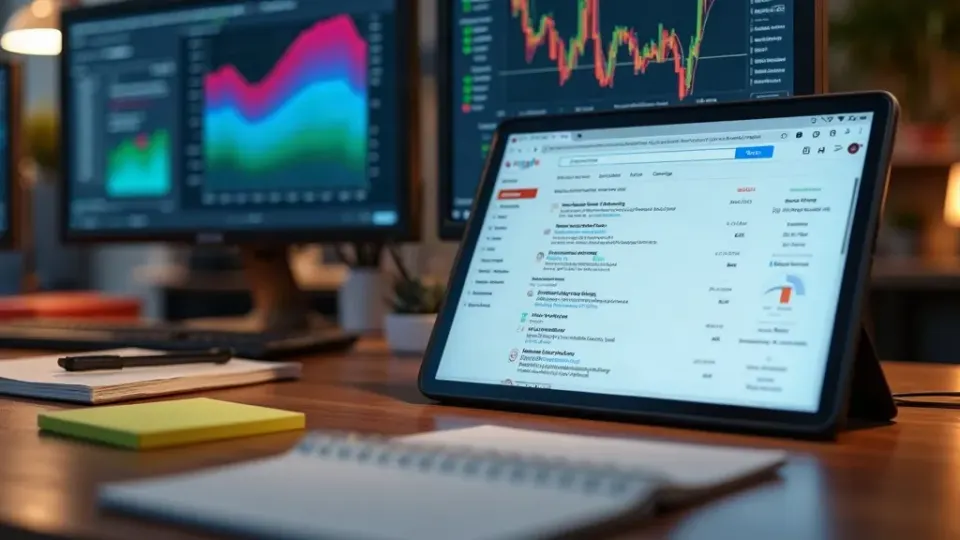
Google's 2025–2026 updates to Performance Max campaigns—including channel-level reporting, better brand exclusions, and improved coexistence with standard Shopping—have not quieted the debate over whether PMax is a smart AI-native format or an opaque budget drain. Here is what the evidence says for small and midsize ecommerce operators.
As Meta CPMs climb and post-iOS 14 attribution remains murky, direct-to-consumer brands are locked in a heated debate about whether referral programs can serve as a primary customer-acquisition channel—or whether they are merely a loyalty tax on customers who would have bought anyway.
Rising ad costs on both Google and Meta are forcing ecommerce marketers to make harder allocation decisions. Benchmark data, Q2 2026 earnings disclosures, and industry reports suggest the two platforms serve different funnel stages — and that treating them as either/or choices consistently underperforms a coordinated strategy.
U.S. retail media ad spend has surpassed $60 billion, but independent DTC merchants on Shopify, WooCommerce, and BigCommerce face structural disadvantages versus large CPG advertisers — and rising CPCs, questionable attribution, and unequal platform access are prompting a rethink of channel strategy heading into Q4 2026.
Google's AI Overviews are measurably suppressing organic click-through rates, hitting e-commerce brands hardest on upper-funnel informational queries. The industry is split three ways on how to respond — shift budget to Google Ads, diversify to Meta and owned channels, or restructure content for AI citation — while rising paid-media costs put pressure on thin-margin merchants.